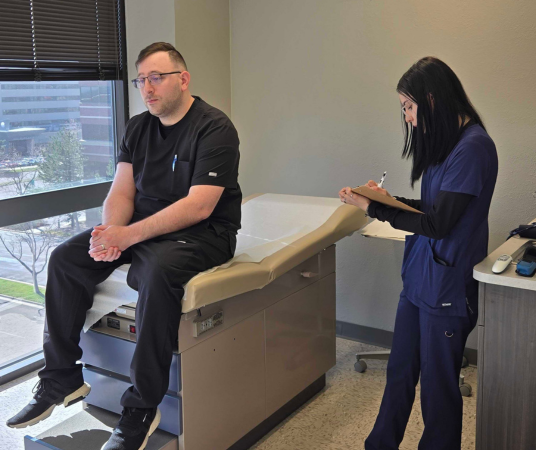
Medical assistants support doctors, nurses and administrators by performing a broad range of clinical and clerical tasks. Their responsibilities include:
Triaging Phone Calls
When patients call to report symptoms, medical assistants guide them through a series of screening questions, collecting information for the physician and prioritizing messages so that the sickest patients get care first.
Scheduling
Medical assistants in Chattanooga have the clinical expertise needed to know which personnel and resources are required for patient visits. They assist the front office with scheduling to ensure that the right equipment and providers are available when clients arrive.
Greeting and Rooming Patients
As a medical assistant, you’ll escort patients to treatment rooms and give them the instructions and supplies necessary to prepare for the doctor's arrival.
Taking Vital Signs
Doctors depend on accurate blood pressure, pulse, temperature and respiratory rate measurements to diagnose and monitor disease. Medical assistants take readings at each visit for comparison and learn this vital technique at Chattanooga Medical Assistant School.
Reviewing Health History
Medical assistants update the patient’s history, medication and allergy lists before the doctor arrives. Verifying the accuracy of information helps patients stay safe and ensures clinicians make the best treatment decisions.
Diagnostic Testing
Medical assistants perform many diagnostic tests without close supervision, from pregnancy tests to EKGs. And, these diagnostic tests are learned during a medical assistant program at Chattanooga Medical Assistant School.
Drawing Blood
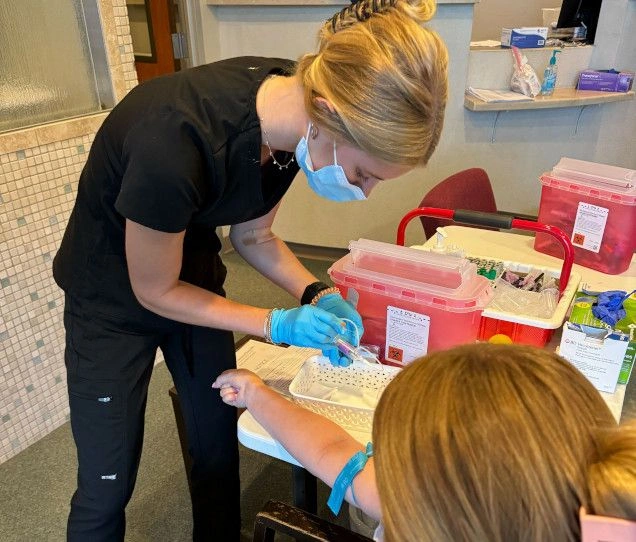
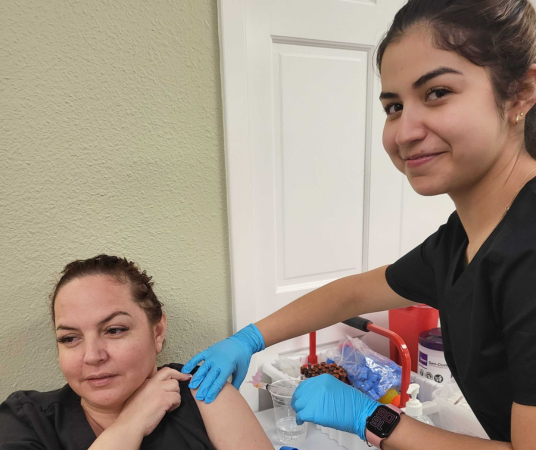
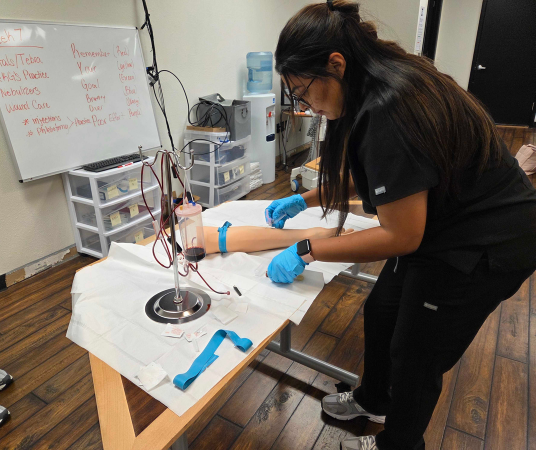
Blood tests are part of most exams. Medical assistants are trained to draw routine samples, saving patients a trip to the hospital.
Assisting with Procedures
Some physicians offer in-office surgical procedures for minor issues. Medical assistants help by passing instruments and monitoring the patient’s comfort and safety.
Stocking Shelves and Ordering Supplies
Doctors rely on medical assistants to keep exam rooms stocked, so the supplies they need are always handy. While they’re at it, they take note of items running low so that they can be reordered.
Infection Control
Medical assistants are responsible for keeping exam rooms and shared equipment sanitized between each visit. They also disinfect tools, linens and instruments weekly in preparation for procedures. And these procedures are mastered during a medical assistant program at Chattanooga Medical Assistant School.
Billing and Coding
Medical assistants help the billing department by properly coding the services and supplies used during each visit. It helps with inventory management and ensures patients only pay for what they used. During a medical assistant program at Chattanooga Medical Assistant School you learn about the different coding protocols including ICD-10, CPT, and HCPCS.
Managing Referrals
Many patients are referred to specialists in Chattanooga every year. Medical assistants research their charts and gather the data necessary to send to other physicians in Chattanooga.
Office Correspondence
Medical assistants communicate with patients about appointments, test results, medication refills, procedures instructions and more, drafting letters, e-mails and faxes.
Patient Education
Medical assistants can’t give medical advice, but they can help patients better understand their treatment plan. With the doctor's permission, they can review recommendations and answer health questions about general topics, from medications to home safety.